

- 0 comments
- by Soma Higarashi
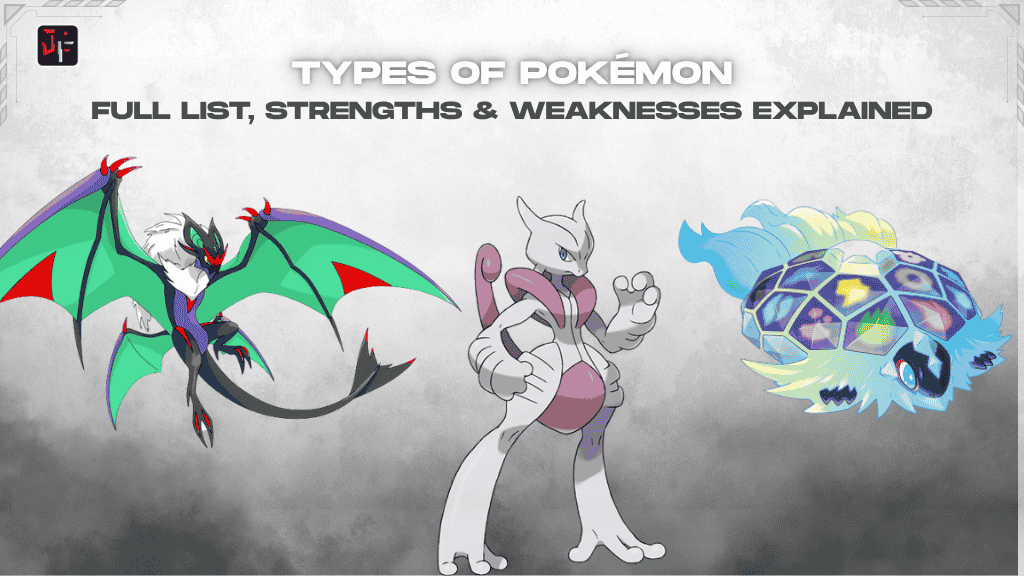
Types of Pokémon 2026: Full list, strengths & weaknesses explained
- 0 comments
- by Soma Higarashi
Welcome to the world of types of Pokémon, your destination for Japanese culture and collectibles. Whether you’re a fan of the TV shows, video games or Pokemon Figures Japan collecting, understanding the types of Pokémon unlocks deeper appreciation of the characters and their battles.
In this guide Japan Figure will explore what types of Pokémon mean, how many different types of Pokémon are there in 2026, list of all types of Pokémon, and break down each type’s strengths and weaknesses.
When we talk about types of Pokémon, we refer to a categorical system in the Pokémon universe that assigns one or two elemental or conceptual alignments to each Pokémon species (for example Fire, Water, Psychic, etc). This same type system is also a core reference point for Pokemon trading cards Japan, where card design, artwork themes, and set composition often reflect a Pokémon’s elemental identity.
These types matter because they determine what a Pokémon is strong against, what it is weak to, and thus how it performs in battle, trading, collecting and even merchandising. If you want a quick visual reference for matchups, this Pokémon type chart is a helpful guide to keep bookmarked when building teams or learning strengths and weaknesses.

In the context of figure collecting with Japan Figure, knowing Pokémon types can enhance your enjoyment: you might choose to display a balanced set of figures representing many types, or highlight your favourite type.
Types also add flavour to the Pokémon franchise by linking to Japanese cultural motifs (for instance Grass types tie to nature, Ice types to cold regions, etc). From a gameplay standpoint, knowing all types of Pokémon helps you build a more strategic team, whether in spin-off games, mobile apps, or the core titles.
Below is a full list of the 19 recognised types of Pokémon as of 2026 (including the new type introduced in Generation IX) and then we’ll dive into each type in its own sub-section. These include: Normal, Fire, Water, Electric, Grass, Ice, Fighting, Poison, Ground, Flying, Psychic, Bug, Rock, Ghost, Dragon, Dark, Steel, Fairy and Stellar. Note that the question “how many different types of Pokémon are there” is answered here, 19 types in total.
The Normal type is the most basic of the Pokémon types. Its nature tends to be straightforward and adaptable, often lacking the flamboyant elemental flair of other types. In battle, Normal-type moves are seldom super-effective, but they also rarely have many immunities or extra weaknesses.

Because Normal type has few special advantages, its performance depends heavily on the individual Pokémon’s stats, abilities and moveset. For collectors, normal-type Pokémon may not always be flashy but they offer broad appeal, especially iconic figures from early generations.
Fire-type Pokémon are associated with heat, flames and passion. Their nature is aggressive and high-energy, often excelling in offensive roles. In battle Fire-type moves tend to be super-effective against Grass, Bug, Ice and Steel types.
They are weak against Water, Rock and Ground types. If you’re looking to expand your roster, check out our list of the best Fire Type Pokemon for top picks in both battle performance and fan-favorite appeal.
Performance-wise, Fire types often boast strong attack or special attack stats, and are great for fast, aggressive playstyles. From the collector’s perspective, fire-type figures often feature dynamic poses, bright red/orange colours and make for visually striking displays.
Water-type Pokémon embody adaptability, fluidity and often defense or special attack prowess. They are strong against Fire, Ground and Rock types and weak against Electric and Grass types.

In battle, Water types are often versatile: many have access to a wide variety of moves (including Ice moves) and can support teams via utility. For collectors, Water-type Pokémon figures often use blue tones and aquatic motifs, providing a calming yet strong visual contrast in a display.
Electric-type Pokémon are characterised by speed, high special attack and energetic design. They are strong against Water and Flying types but weak against Ground types. In battle they often act as fast sweepers or support with status moves (like paralysis). Collector-wise, electric-type figures often include dynamic lightning effects and vibrant yellow/gold colours.
Grass-type Pokémon connect to nature, growth and resilience. They are strong against Water, Ground and Rock types and weak against Fire, Bug, Poison, Flying and Ice. In battle Grass types tend to offer utility, support moves (e.g., Leech Seed, status) but they often suffer from a long list of weaknesses.

For collectors with Japan Figure, grass-type figures can evoke serene natural settings and are a way to inject greens into a collection.
Ice-type Pokémon bring cold, frost and chilling power. They are strong against Grass, Ground, Flying and Dragon types but weak against Fire, Fighting, Rock and Steel. In battle they are often niche: they can surprise opponents with high resisted damage but frequently suffer from poor stats or too many weaknesses. For collectors, ice-type figures often use translucent materials and frosty bases, giving a cool aesthetic in a display.
Fighting-type Pokémon represent strength, physical power, discipline and close-combat. They are strong against Normal, Ice, Rock, Dark and Steel types and weak against Psychic, Flying and Fairy types.

In battle they are often attackers with high attack stats and strong moves like Close Combat, but they may be outclassed at range. For collectors, fighting-type figures often feature dynamic poses, martial-arts themes and muscular designs.
Poison-type Pokémon evoke toxicity, chemical hazard and mischievous flair. They are strong against Grass and Fairy types and weak against Ground and Psychic types. For competitive players, our guide to the best Fairy Type Pokemon competitive highlights high-impact Fairy picks that perform well in team builds and meta matchups.
In battle they often provide status effects (poisoning) and support but may lag in raw stats. Collector-wise, poison-type figures often use purples and eerie design elements.
Ground-type Pokémon represent earth, stability, tremors and subterranean power. They are strong against Fire, Electric, Poison, Rock and Steel types and weak against Water, Grass and Ice types.

In battle they often guard well and deal strong physical hits, but they may have limited move diversity. Collectors might like ground-type figures for rugged terrain bases, earthy colours and powerful stances.
Flying-type Pokémon embody freedom, the skies and quick manoeuvres. They are strong against Grass, Fighting and Bug types and weak against Electric, Ice and Rock types. In battle they often have high speed and access to moves like Fly, but may have lower durability. For collectors, flying-type figures often feature wings or aerial poses and make for dynamic display pieces.
Psychic-type Pokémon represent mental power, extrasensory abilities and strategy. They are strong against Fighting and Poison types and weak against Bug, Ghost and Dark types.

In battle they often excel in special attack and utility but may have average physical defense. Collectors enjoy psychic-type figures for their mystic poses, floating bases or abstract design.
Bug-type Pokémon draw from insects, swarms and natural phenomena. They are strong against Grass, Psychic and Dark types and weak against Fire, Flying and Rock types. In battle they often appear early in the game, with many unique species, but they might lack the raw stats of rarer types. For collectors, bug-type figures offer quirky design, variety and often wave nature themes.
Rock-type Pokémon evoke stone, mountains, durability and raw strength. They are strong against Fire, Ice, Flying and Bug types and weak against Water, Grass, Fighting, Ground and Steel types.

In battle they often serve as tanks or defenders but may be slow. Collectors like rock-type figures for their rugged stances and earthy bases.
Ghost-type Pokémon bring spookiness, mystery, and intangible power, making them a natural fit for Halloween-themed releases, even though Trick or Trade chase cards are not the focus of this series. They are strong against Psychic and Ghost types and weak against Dark types (while being immune to Normal and Fighting).
In battle, they often surprise opponents with immunities and status effects but may be vulnerable to stat-heavy attackers. For collectors, Ghost-type figures often feature transparent parts, eerie lighting, and spectral poses, enhancing their spooky appeal.
Dragon-type Pokémon are majestic, rare and powerful, often embodying mythical beasts. They are strong against Dragon types and weak against Ice, Fairy and Dragon types.

In battle they often have high stats across the board but are balanced by their weaknesses. For collectors, dragon-type figures are premium pieces, often large, dynamic and detailed.
Dark-type Pokémon represent cunning, night, stealth and unconventional power. They are strong against Psychic and Ghost types and weak against Fighting, Bug and Fairy types. In battle they often disrupt opponents, use status or trick moves, or exploit the opponent’s mind. For collectors, dark-type figures often have sleek black/dark colour schemes and edgy designs.
Steel-type Pokémon are the embodiment of metal, machinery and durability. They are strong against Ice, Rock and Fairy types and weak against Fire, Fighting and Ground types.

In battle they often serve as defensive walls or reliable attackers with high protection, but may lack speed. For collectors, steel-type figures convey solidity, often metallic finishes and intricate mechanical details.
Fairy-type Pokémon evoke magic, innocence, charm and supportive roles. They are strong against Fighting, Dragon and Dark types and weak against Poison and Steel types. In battle they often perform support functions, healing or buffing allies or exploiting opponents’ weaknesses to Dragon types. For collectors, fairy-type figures often have whimsical, pastel colours and elegant poses.
The Stellar type is the newest and most unusual of the types of Pokémon, introduced in Generation IX as a special “terastallized” state rather than a naturally occurring type. In nature, no Pokémon has Stellar as its basic typing; instead any Pokémon can become the Stellar type when it uses a Terastallize mechanic.
In battle, Stellar moves are super-effective against other terastallized Pokémon, but defensively the Pokémon retain their original base type properties. For collectors, Stellar-type figures provide a futuristic or cosmic flair, making them a great addition to a display that highlights new developments in the Pokémon universe.
In summary, types of Pokémon are foundational to both gameplay and collecting – they shape battles, team building and the stories behind each creature. Whether you’re choosing your favourite Pokémon of each type or assembling an all-types showcase, knowing the full list of Pokémon types empowers you to appreciate each figure’s design and place in the Pokémon universe.
Here are some frequently asked questions to wrap up your understanding of Pokémon types of Pokémon.
Pokémon are categorised by species, types, generations, regions and usage among other factors. The “type” category refers to one of the elemental or conceptual alignments (like Fire, Water, Psychic) that determine strengths and weaknesses. These categories help both in battle strategy and in collecting themed figures.
The 19th type is the Stellar type, which was introduced in Generation IX as part of the Terastal mechanic and is not a natural base type for any Pokémon but a special form.
The rarest type is arguably the Stellar type given that no Pokémon have it as their base typing and it is only achieved via Terastallizing, making it unique in usage and collectible importance.
In the anime, Ash (also known as Satoshi in the Japanese version) has caught or borrowed several Ice-type Pokémon; one example is Sneasel (in the Diamond & Pearl series) or Glaceon in more recent arcs.
No official Pokémon has three types simultaneously; each Pokémon has one or two types. The Stellar type is an added state via Terastallization rather than a third base type.

Soma Higarashi
Soma Higarashi has over five years of experience covering anime, manga, and Japanese pop culture. He is also an active community leader who moderates several large fan groups dedicated to anime and Japanese culture, sharing insights with audiences worldwide.






Share:
Top 10+ Final Fantasy IX merch you shouldn’t miss (official & Japan exclusives)
Fairy-type Pokemon: The 2026 ultimate guide on characters